Welcome to August and welcome to our three newest team members who joined the Trust in July: Bo, Musfiq and Sahar. They joined us to increase our capacity as we continue to effectively deliver funding to the North and want to maintain being a responsive, friendly funder. Over the next three months, you’ll have the opportunity to learn more about each of them through our monthly staff spotlight.
Also, congratulations to Kurtis Caston and Angela Anfield for their recent promotions! I’m pleased to have announced Kurtis’s appointment as Chief Financial Officer and Angela to the position of Corporate Administrator.
This month you get to read about a couple of projects that are improving things behind the scenes in communities, including a state-of-the-art irrigation system for a Peace golf course and electrical upgrades for farmers’ market vendors. Plus, an impressive pool rehabilitation project in Bella Coola was recently completed, and the contractor published a video about the complexities of building a pool on the Central Coast – keep reading to learn more.
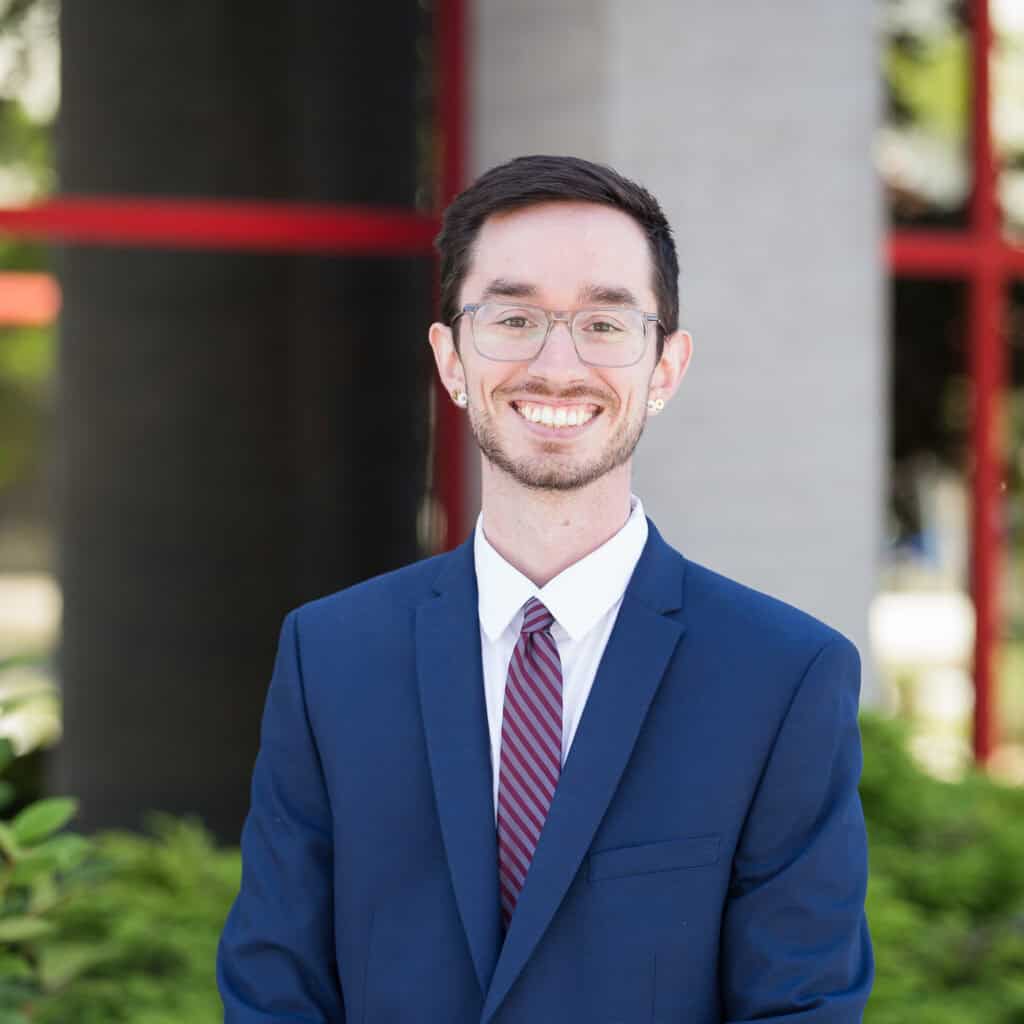
We are pleased to announce Kurtis Caston as our new Chief Financial Officer.
Over the past five years, Kurtis has helped strengthen the Trust through his financial expertise, leadership and commitment to continuous improvement. His appointment reflects both his deep understanding of the organization and Northern Development’s dedication to investing in its people.
Congratulations on this exciting next chapter, Kurtis!
Greenhouse, seniors’ housing, and cultural amphitheatre to receive grant funding.
Three unique, community-building projects will receive a combined $576,000 in funding through Northern Development following approvals at the Trust’s most recent Board meeting. Investments through the Economic Infrastructure, Cultural Infrastructure and Northern Housing Incentive programs will support projects led by Lheidli T’enneh First Nation, Williams Lake First Nation and the Town of Smithers.
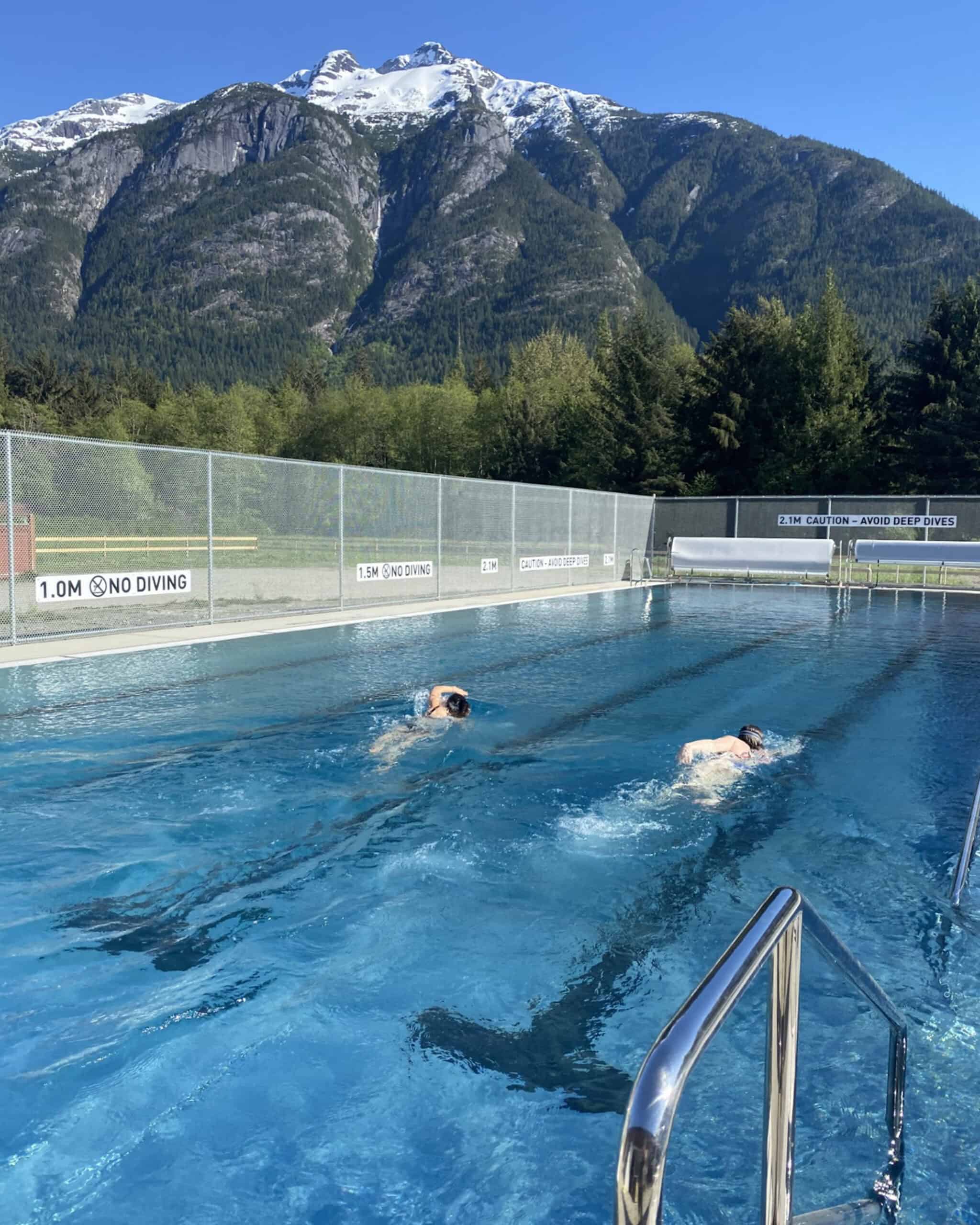
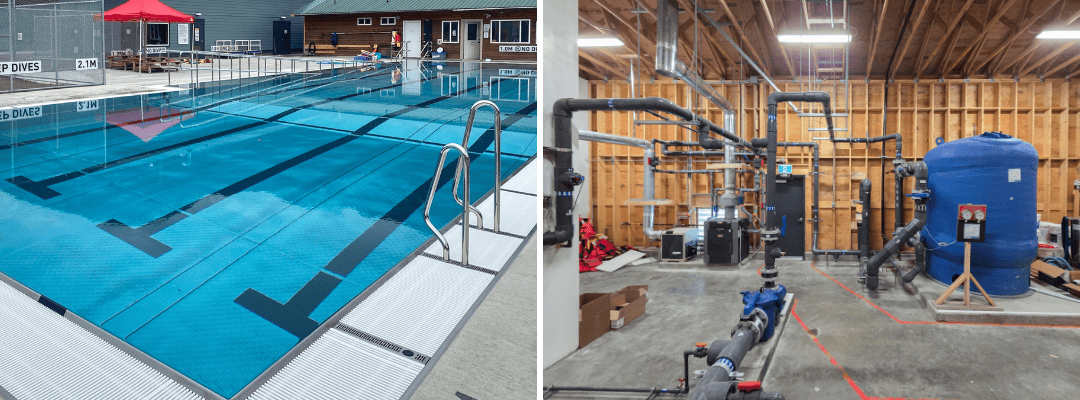
After years of planning and construction, the Centennial Pool has officially reopened, welcoming residents back to a renewed facility that will serve the Bella Coola Valley for decades to come.
Photo: CCRD
Originally approved for funding by Northern Development in 2018, the Central Coast Regional District (CCRD) received a $250,000 grant through the Economic Infrastructure program toward the renewal project. The upgraded facility celebrated its grand opening on July 4, 2026, marking the completion of a significant investment in one of the region’s community assets. While visiting Bella Coola later that month, Northern Development staff Wendy Okoye and Jordan Hammond had the opportunity to see the completed project firsthand and the renewed facility already bustling with activity.
Built in 1967, Centennial Pool is located in Hagensborg and is the only public swimming pool in the Central Coast Regional District, also serving Bella Coola, Firvale and Stuie. For decades, it has provided a place for residents to learn to swim, develop lifesaving skills and stay active through public swims, lessons, youth swim clubs and aqua fit programs.
Photos: Chandos Construction
“It is so rewarding to see the Centennial Pool filled with families, children, and community members once again” said Jayme Kennedy, chair and Area C director, CCRD. “While we weren’t able to complete every element of the original vision, we’re incredibly proud of what has been accomplished. The renewed pool is a beautiful, welcoming space that will serve our community for years to come, and it’s wonderful to see it being enjoyed every day. We’re grateful to everyone who helped make this project a reality, and we’re continuing to pursue funding so that, one day, we can complete the vision with the addition of a new tot pool.”
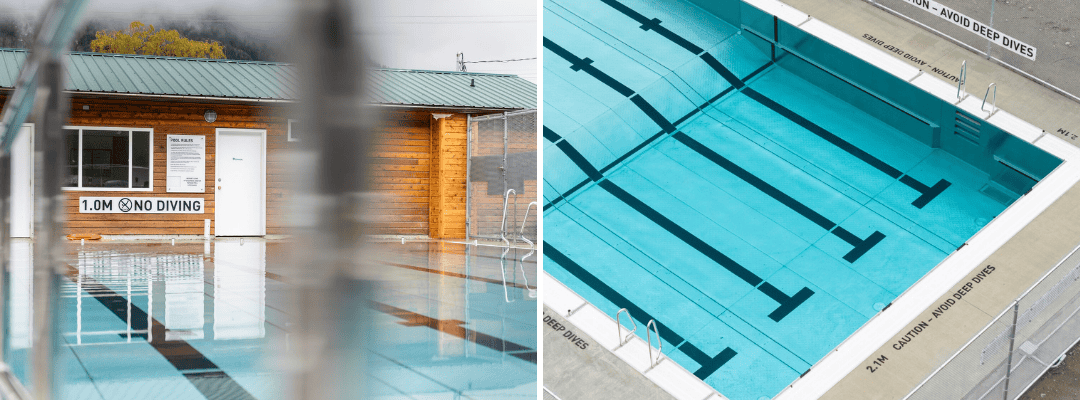
The renewal provided the centre with a fully accessible 25-metre, four-lane pool, accessible hot pool and modern mechanical systems designed to improve energy efficiency and accessibility while supporting the facility for years to come. The expanded building also creates new opportunities for community programming and visitor services, helping Centennial Pool continue serving both residents and visitors alike.
With another summer season now underway, the fresh facility is once again providing a place for people to learn, connect and enjoy one of the Central Coast’s most important amenities.
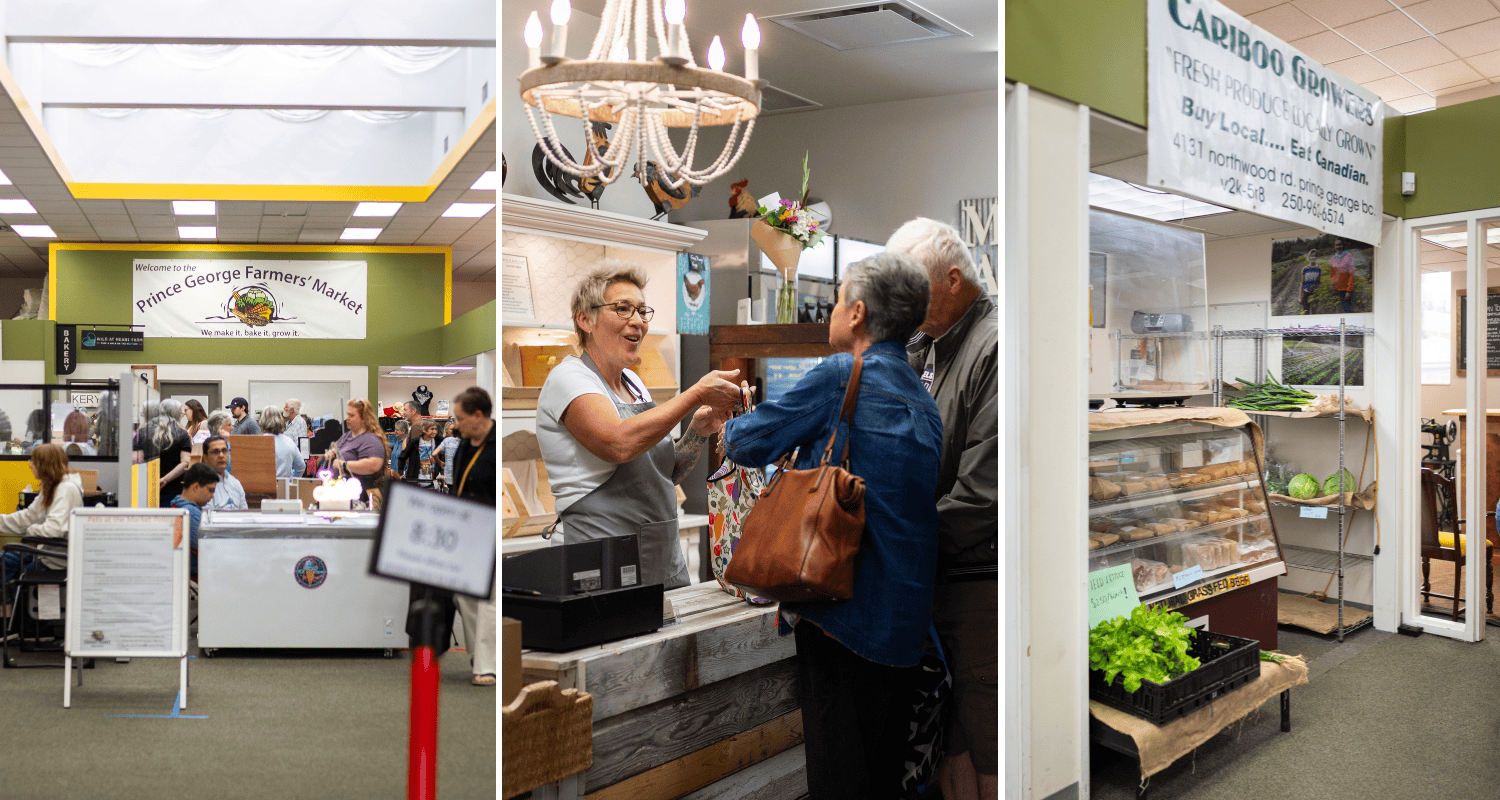
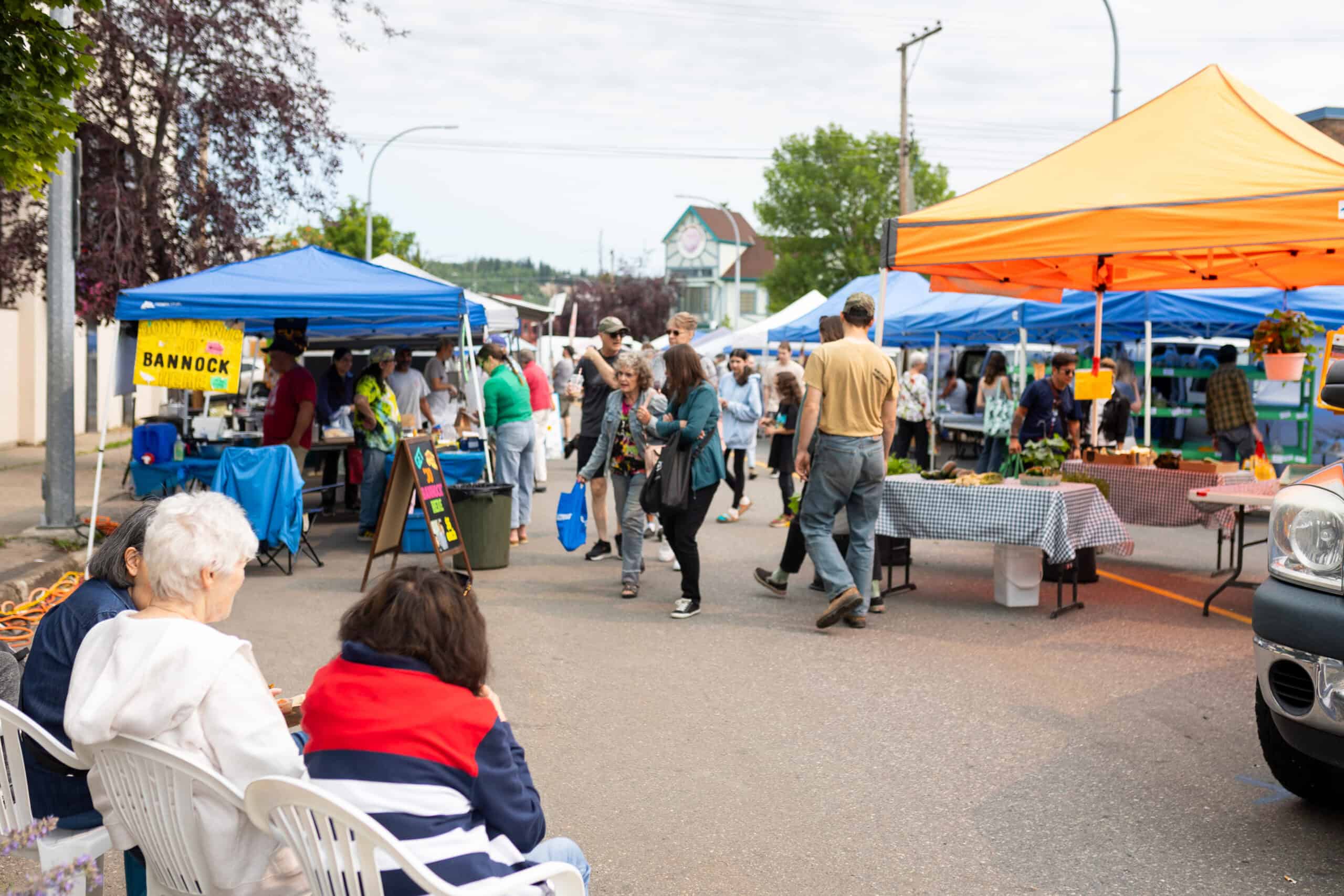
The next time you stop by the Prince George Farmers’ Market (PGFM) for farm fresh eggs, hand cut meats, a sourdough loaf or a locally made coffee, there may be more happening behind the scenes than meets the eye. Planned infrastructure upgrades will help the market better support vendors who rely on dedicated power and improved serving spaces, while creating new opportunities for community programming.
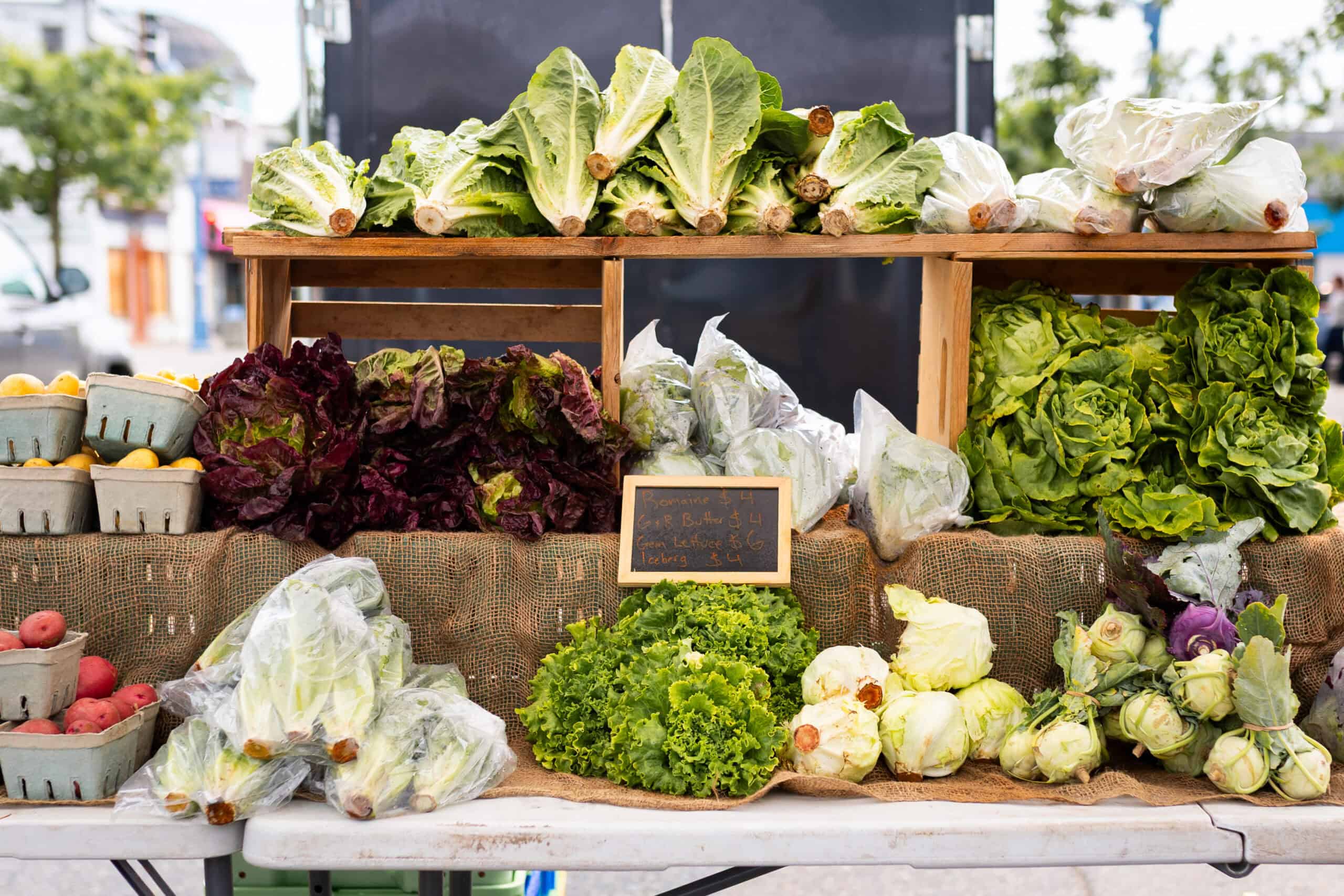
Northern Development approved $59,374 through the Economic Infrastructure program to support the PGFM’s $84,820 infrastructure upgrade project. The investment will strengthen the market’s ability to support local businesses while enhancing one of Prince George’s best-loved community traditions.
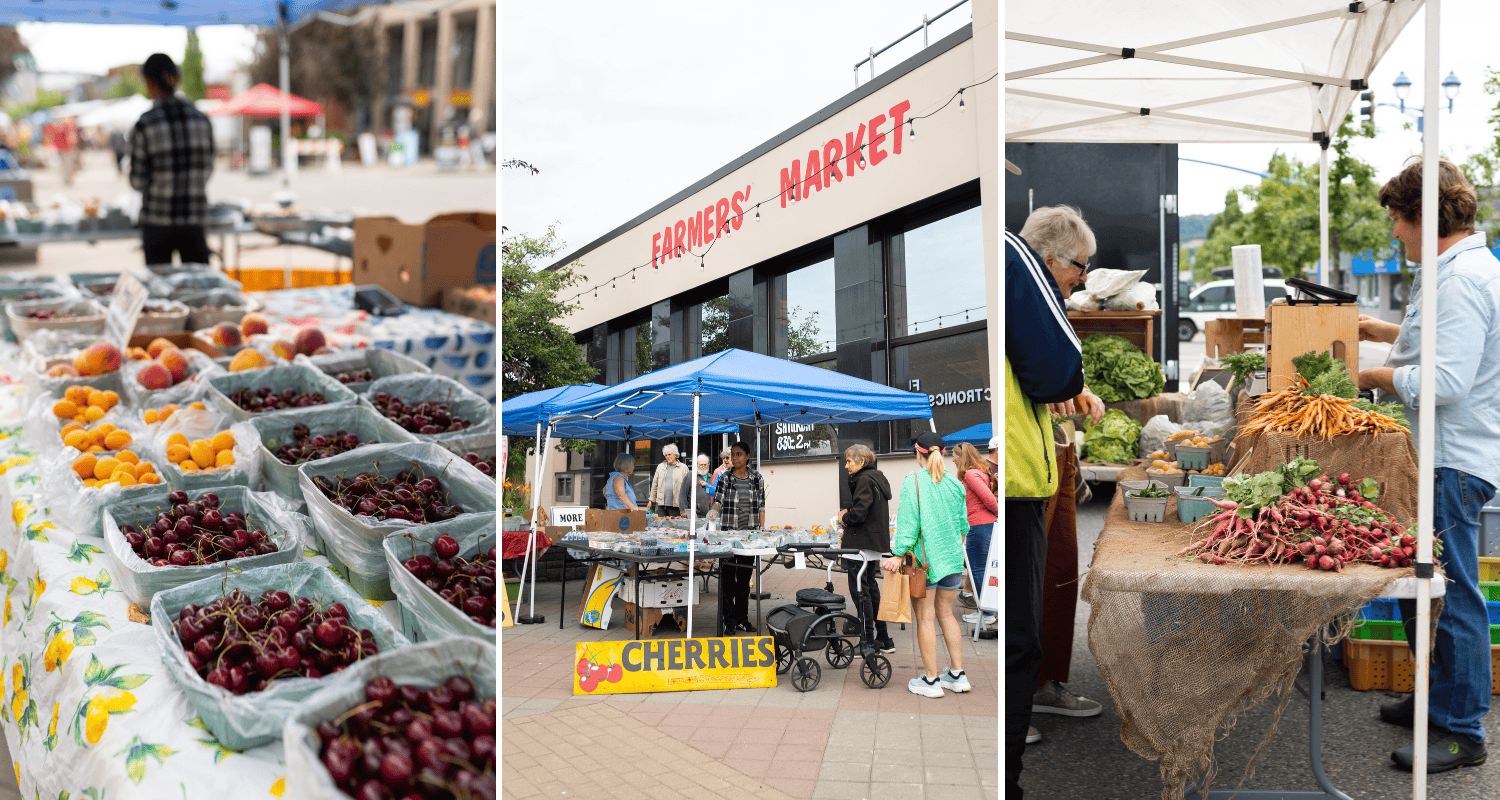
Since opening in 1994 with just a handful of vendors, PGFM has grown into a year-round staple with approximately 100 members. Each week, the market can see well over 2,000 visitors shop for locally grown produce, meats, baked goods, artisan products and prepared foods while supporting small businesses from across the region.
“Every Saturday, our vendors bring incredible products to the market,” said Martin Krell, president, Prince George Farmers’ Market Association. “Our role is to make sure the space continues to support them. These upgrades will create new opportunities for food vendors, community programming and the experiences that make the market such a vibrant place.”
The project will install a 200-amp subpanel, providing dedicated electrical circuits for each vendor booth and giving food vendors the reliable power they need to prepare and serve their products without the operational challenges caused by overloaded circuits. The serving area will also be renovated to better accommodate hot food vendors, while new movable partitions will create flexible space for workshops, meetings, farm-to-table dinners and other community events throughout the year.
While many visitors may never notice the upgrades themselves, they will experience the difference as the market continues to evolve. By investing in reliable infrastructure behind the scenes, PGFM will be better positioned to support its vendors while continuing to grow as a destination for shopping local.
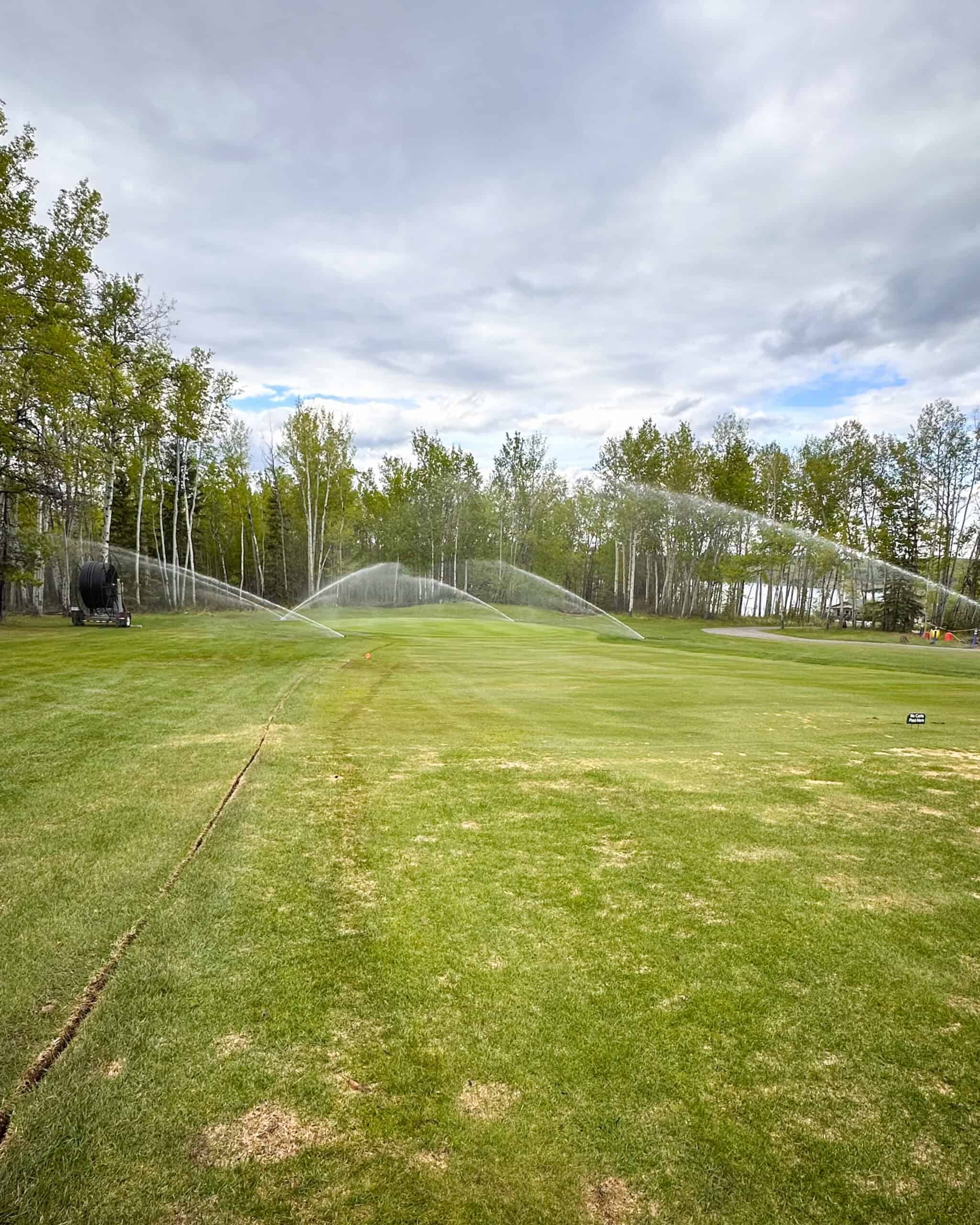
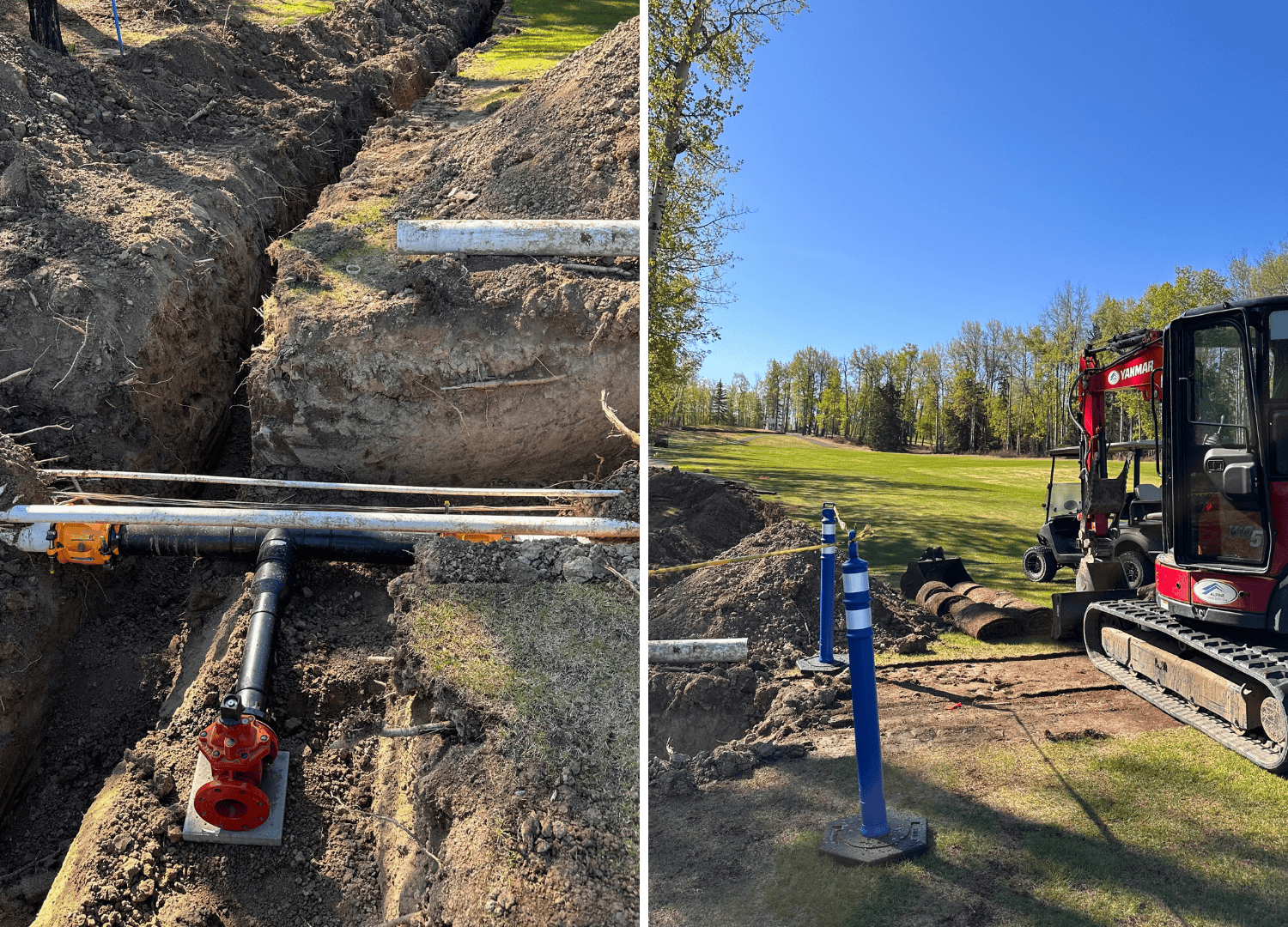
A healthy golf course starts below the surface. While golfers may not see it, a modern irrigation system plays an important role in keeping the fairways healthy, conserving water and ensuring the course can be enjoyed for years to come.
Photos: Lake Point Golf and Country Club
A $228,139 grant from the Recreation Infrastructure program is helping Lake Point Golf and Country Club modernize one of the course’s most important pieces of infrastructure. The $2.45 million irrigation replacement project introduces modern technology that delivers water more efficiently while supporting the long-term health and sustainability of the course.
Located on the shores of Charlie Lake, Lake Point Golf and Country Club has welcomed golfers since 1958. Originally established as a nine-hole course, it has grown into one of the Peace Region’s favourite golfing destinations, attracting members and visitors alike. The course is also an important recreational asset for the region, hosting tournaments, welcoming travelling golfers and providing opportunities for residents to enjoy the outdoors.
The previous irrigation system had been in service for more than 30 years, relying on manual controls and providing direct coverage to only a portion of the course. The new electronically controlled system delivers water more precisely across all playing areas, reducing water loss caused by aging infrastructure while improving grass health, lowering maintenance requirements and enhancing the course’s fire resiliency.
By investing in infrastructure that supports efficient water use and long-term sustainability, Lake Point Golf and Country Club is well positioned to continue offering a high-quality recreational experience for years to come.
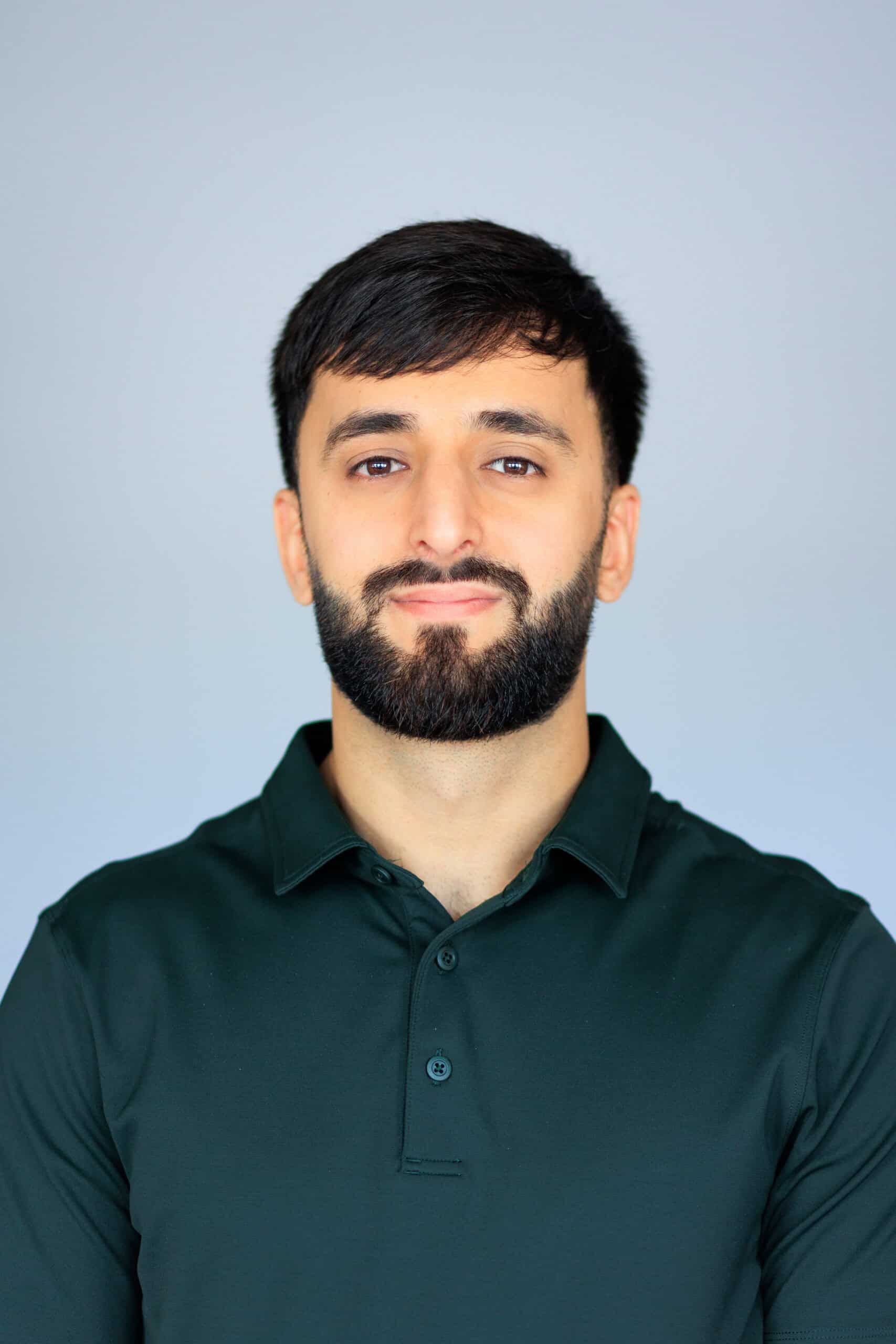
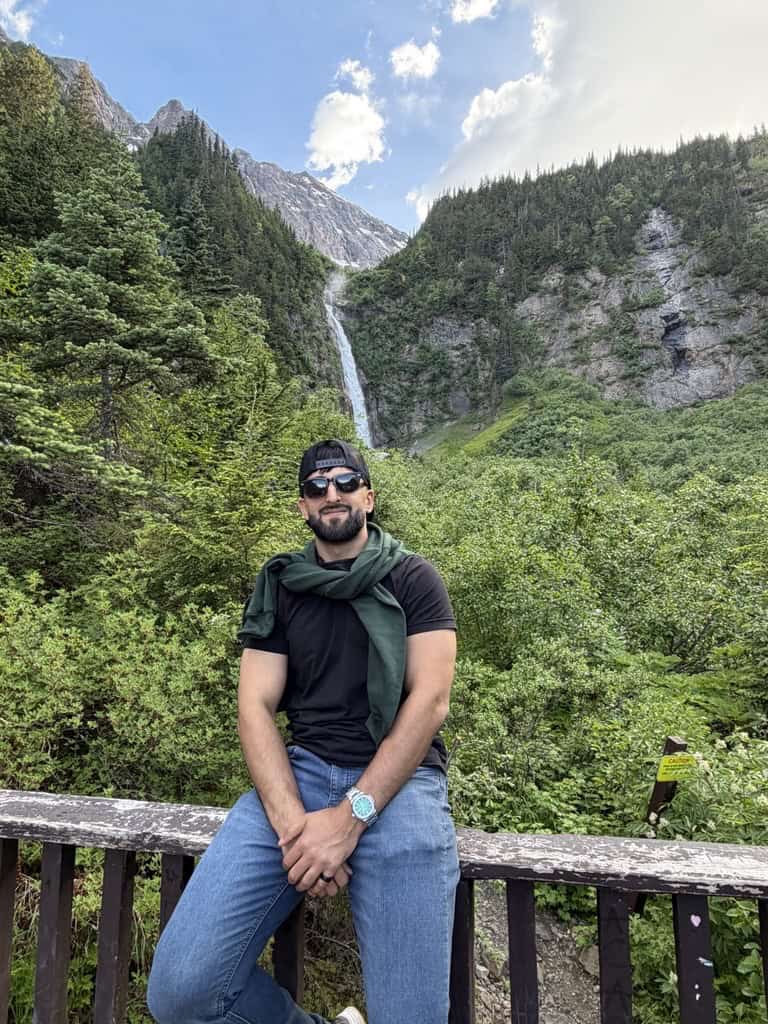
When Bo moved to Prince George to pursue his master’s degree at UNBC, he quickly noticed Northern Development’s impact throughout the region. Having spent years working in international development in his home country of Tajikistan, he recognized familiar work happening in communities across Northern B.C. Joining the Trust gave him the opportunity to continue doing what he’s passionate about: helping communities turn ideas into lasting projects.
Can you share a bit about your background and what brought you to the Trust?
Coming from Central Asia – I was always passionate about helping and uplifting others. I grew up and started my career in Tajikistan, where I spent several years in international development, running the funding cycle from application intake through to financial reporting, and project closeout. I moved to Prince George to complete my Master of Arts in Development Economics at UNBC, and it felt like home from day one. The community here is very welcoming to newcomers and straight away I got opportunities to work with local businesses and communities. Living here and studying at UNBC, I kept seeing the Trust’s fingerprints on projects around the region and it struck me that the work I’d been doing overseas was exactly the kind of work this organization does. Joining the Partner Programs team was a chance to help spread the economic impact Northern Development has been making.
What does a typical week in your role look like, and what do you enjoy most about it?
A lot of my week is spent moving projects along the funding pipeline: reviewing applications for eligibility, preparing contribution agreements, keeping files and data accurate, and staying in touch with applicants so nothing stalls. It’s a mix of careful desk work and real conversations with the municipalities, Indigenous organizations, and regional districts we serve. I absolutely love the tangible community outcome on the other side of the paperwork. It is a very fulfilling job as I get to be compensated for helping communities. If a facility is built, a piece of infrastructure is developed, or job is retained – that brings joy to my heart and make me feel that I am part of something greater, something special.
Who has been a major influence on your career or life path, and in what way?
My two older brothers, without question. Family comes first for me, and nearly every milestone I’ve reached traces back to their support, encouragement, and help along the way. They made sure I had access to a good education and stood by me through every step of the journey. There’s nothing quite like knowing your closest people have your back.
What hobbies or interests help you unwind outside of work?
With the gorgeous landscapes that British Columbia offers – I get to enjoy snowboarding, hiking, camping, BBQ-ing, cycling, and playing football both indoors and outdoors. I really enjoy time away with my friends. There is so much to do and so much to see here – so I make the most out of my weekends. I try to stay healthy and go to gym when I can before or after work.
What do you appreciate most about the culture at Northern Development? How does it support your work?
The people! Northern B.C. is full of community-minded folks who show up to volunteer, give back, and take environmental stewardship seriously – values I grew up with, so they resonate deeply with me. The other thing that stands out is diversity: the communities here are genuinely mindful of it, which made it easy for me to feel at home. NDIT reflects that too, with members whose roots stretch from China to South Asia to North Africa. Working alongside people from that many backgrounds, all pointed at the same goal of strengthening the North, makes the day-to-day both easier and more meaningful.
What advice or message would you share with someone who wants to make a difference through economic development work?
Understanding that we work for people is crucial. Sometimes we can get lost in our daily administrative work and our job manuals and it is important for us to remember that behind every one of those documents is a real community waiting on a real project. Beyond that: learn your region and its history. Understanding who you’re serving and what they’re up against matters as much as any technical skill.
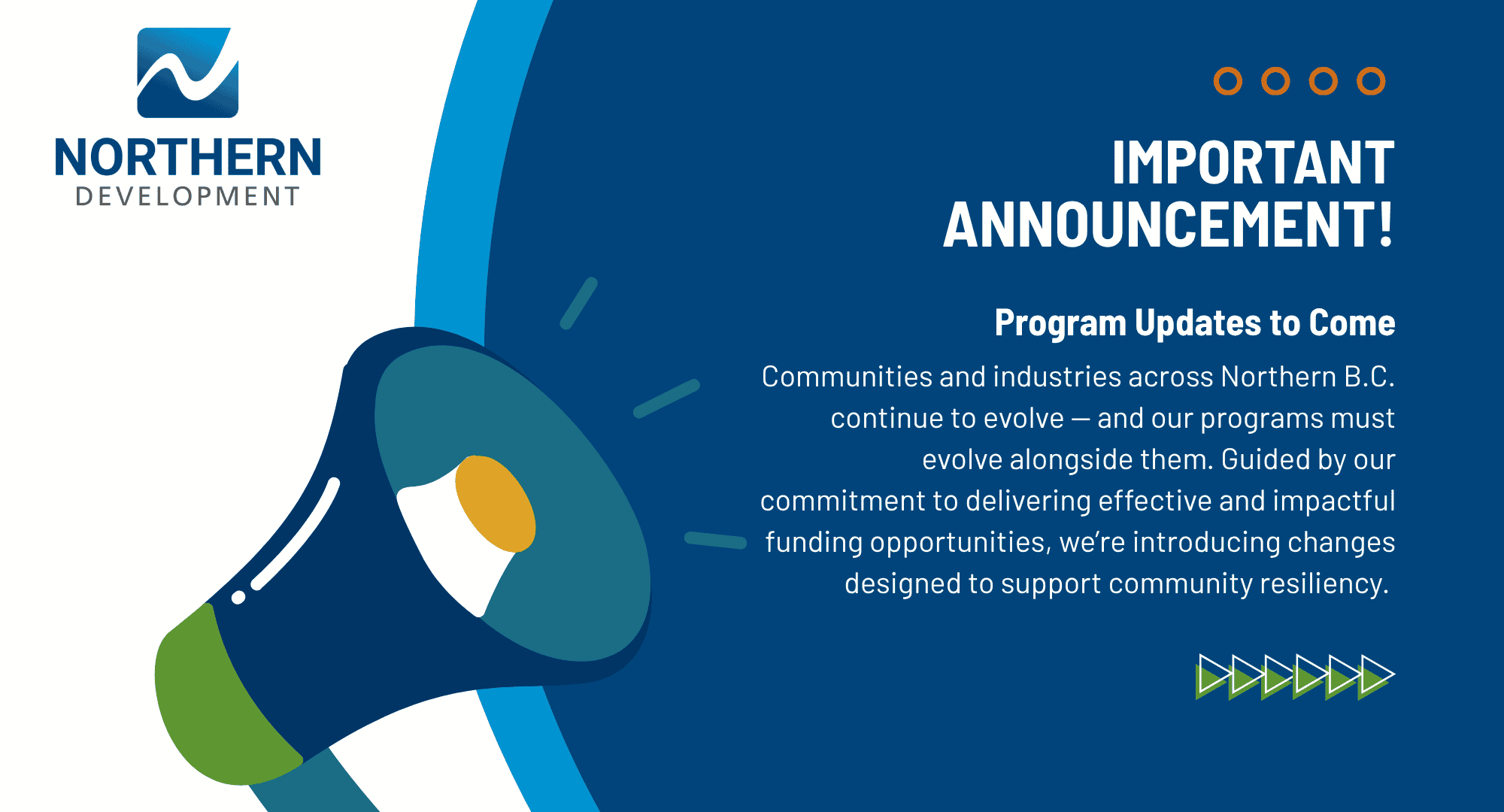
Northern Development is continuing to refine its funding programs to better meet the evolving needs of communities, businesses and industries across Northern B.C. Below is a snapshot of recent and upcoming changes.
Community Places The maximum grant amount available has increased to $50,000, providing communities with additional support for creating, restoring and enhancing public spaces.
Main Street Revitalization Capital One of the program’s three required deliverables will now measure incremental monetary value, helping demonstrate the economic impact of revitalization projects.
Economic Development Capacity Building Eligible costs have been refined to focus on staff or contract wages supporting an economic development position. Economic development activities are no longer eligible costs.
Business Facade Improvement Eligible project costs have expanded to include exterior security features, giving businesses more flexibility when planning façade improvements.
Economic, Cultural and Recreation Infrastructure Beginning in 2027, applications will include a business case and asset management plan to demonstrate project readiness and organizational capacity.
Grant Writing Support Reporting requirements have been streamlined. Successful applicants will now submit only a reporting form and a list of grants applied for throughout the calendar year.
Marketing Initiatives & Northern Housing Incentive These programs retired following the July 31, 2026 intake as regional priorities and funding landscapes continue to evolve.
Fabulous Festivals and Events Event organizers will receive funding upon approval, and reporting is no longer required, reducing administrative work and allowing organizers to focus on delivering successful events.
Visit the Program Updates page on our website for complete details, timelines and the latest information as additional updates are introduced.