When Bo moved to Prince George to pursue his master’s degree at UNBC, he quickly noticed Northern Development’s impact throughout the region. Having spent years working in international development in his home country of Tajikistan, he recognized familiar work happening in communities across Northern B.C. Joining the Trust gave him the opportunity to continue doing what he’s passionate about: helping communities turn ideas into lasting projects.
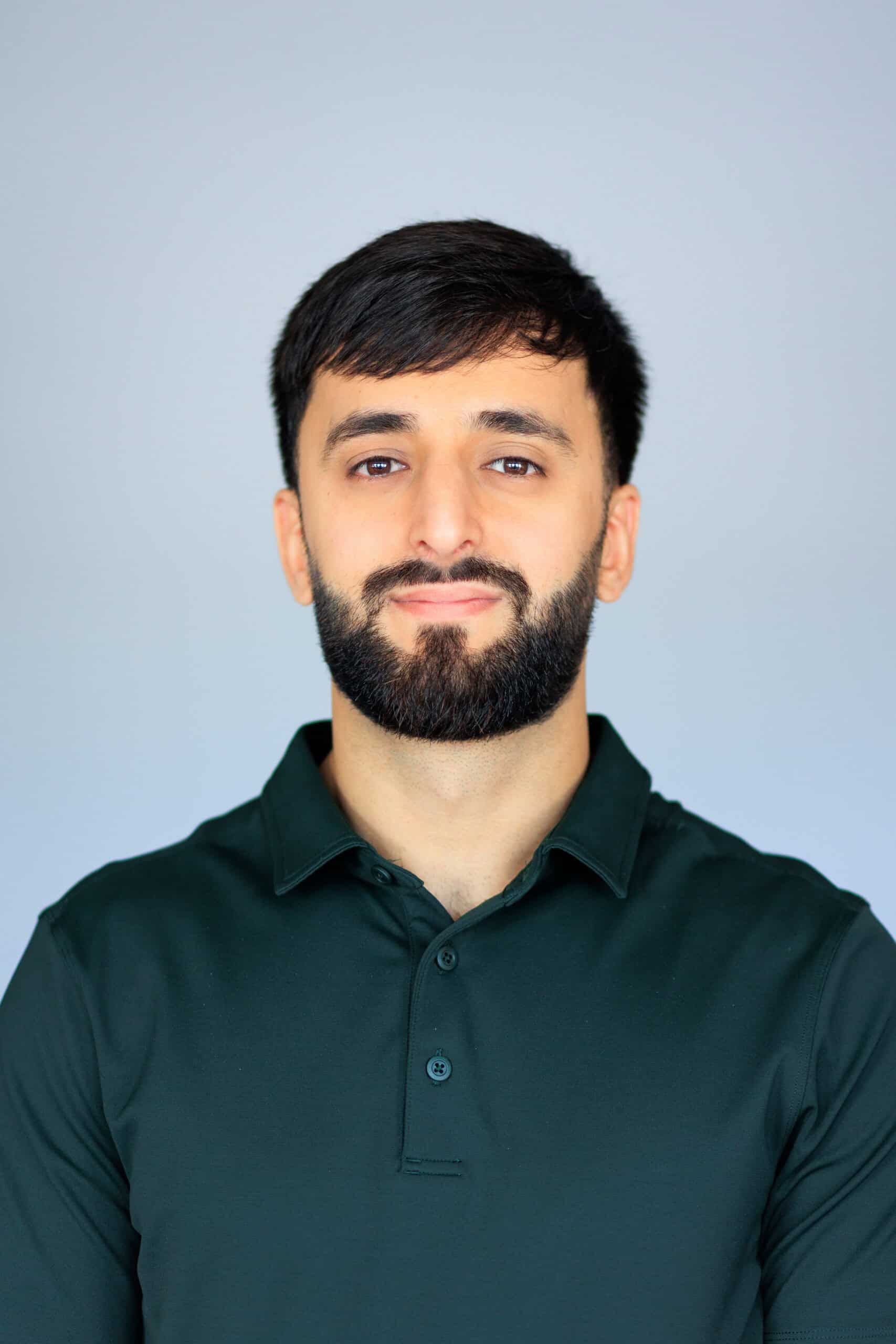
Can you share a bit about your background and what brought you to the Trust?
Coming from Central Asia – I was always passionate about helping and uplifting others. I grew up and started my career in Tajikistan, where I spent several years in international development, running the funding cycle from application intake through to financial reporting, and project closeout. I moved to Prince George to complete my Master of Arts in Development Economics at UNBC, and it felt like home from day one. The community here is very welcoming to newcomers and straight away I got opportunities to work with local businesses and communities. Living here and studying at UNBC, I kept seeing the Trust’s fingerprints on projects around the region and it struck me that the work I’d been doing overseas was exactly the kind of work this organization does. Joining the Partner Programs team was a chance to help spread the economic impact Northern Development has been making.
What does a typical week in your role look like, and what do you enjoy most about it?
A lot of my week is spent moving projects along the funding pipeline: reviewing applications for eligibility, preparing contribution agreements, keeping files and data accurate, and staying in touch with applicants so nothing stalls. It’s a mix of careful desk work and real conversations with the municipalities, Indigenous organizations, and regional districts we serve. I absolutely love the tangible community outcome on the other side of the paperwork. It is a very fulfilling job as I get to be compensated for helping communities. If a facility is built, a piece of infrastructure is developed, or job is retained – that brings joy to my heart and make me feel that I am part of something greater, something special.
Who has been a major influence on your career or life path, and in what way?
My two older brothers, without question. Family comes first for me, and nearly every milestone I’ve reached traces back to their support, encouragement, and help along the way. They made sure I had access to a good education and stood by me through every step of the journey. There’s nothing quite like knowing your closest people have your back.
What hobbies or interests help you unwind outside of work?
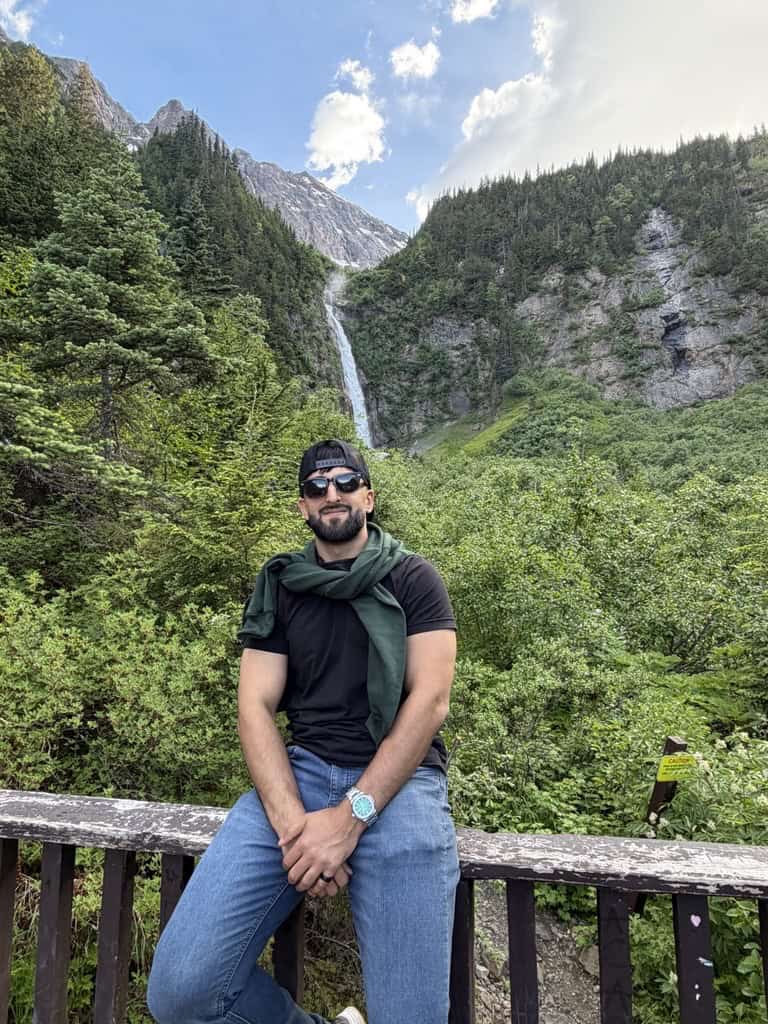
With the gorgeous landscapes that British Columbia offers – I get to enjoy snowboarding, hiking, camping, BBQ-ing, cycling, and playing football both indoors and outdoors. I really enjoy time away with my friends. There is so much to do and so much to see here – so I make the most out of my weekends. I try to stay healthy and go to gym when I can before or after work.
What do you appreciate most about the culture at Northern Development? How does it support your work?
The people! Northern B.C. is full of community-minded folks who show up to volunteer, give back, and take environmental stewardship seriously – values I grew up with, so they resonate deeply with me. The other thing that stands out is diversity: the communities here are genuinely mindful of it, which made it easy for me to feel at home. NDIT reflects that too, with members whose roots stretch from China to South Asia to North Africa. Working alongside people from that many backgrounds, all pointed at the same goal of strengthening the North, makes the day-to-day both easier and more meaningful.
What advice or message would you share with someone who wants to make a difference through economic development work?
Understanding that we work for people is crucial. Sometimes we can get lost in our daily administrative work and our job manuals and it is important for us to remember that behind every one of those documents is a real community waiting on a real project. Beyond that: learn your region and its history. Understanding who you’re serving and what they’re up against matters as much as any technical skill.