August 2025 - Newsletter

In this issue

Welcome to the August edition of our newsletter! This month, we’re sharing details on people and projects at all stages of their journey: from the final disbursement of a $300,000 grant to Tse’k’wa Heritage Society to improve their National Historic Site in the northeast, to visiting our current cohort of interns in communities throughout Northern B.C., and sharing the news about the most recent five projects that we’re investing in.

I’m also sharing a bit about my journey this year as the CEO of Northern Development, what I’ve been enjoying, and how I’m bringing insights from my time as CFO to support me with my new responsibilities.

Enjoy reading and celebrating your neighbours and community members as we all work together to build a stronger north.

Until next time,

Ben
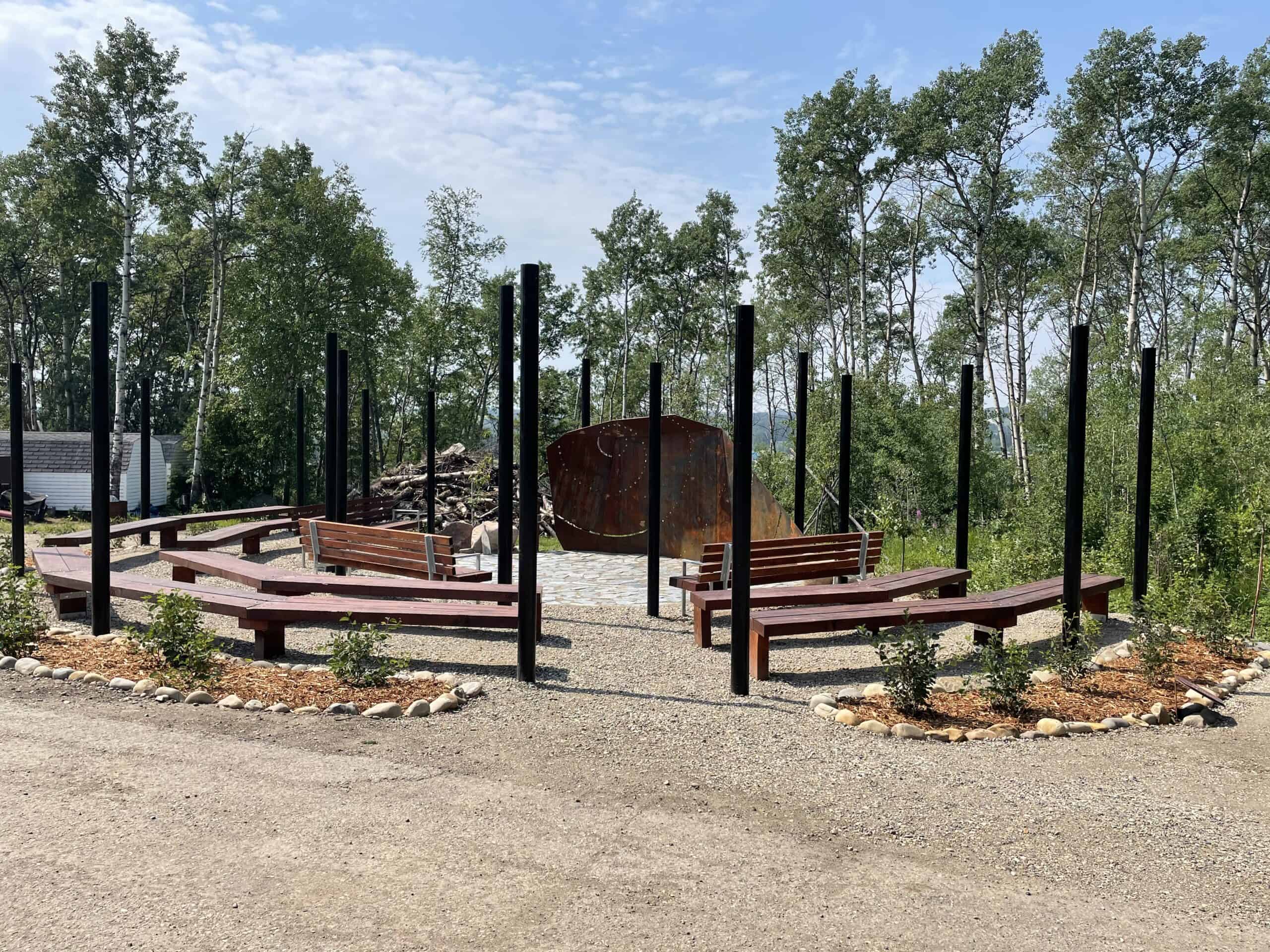
Photo: Tse’k’wa Heritage Society

In July, Northern Development disbursed the final $75,000 of an approved $300,000 grant to Tse’k’wa Heritage Society upon the completion of their Cultural Centre project. With a forecasted total project budget of $687,180, the Society successfully made meaningful and quality improvements to their heritage site, which was designated a National Historic Site by Parks Canada in 2017. The designation was made in recognition of the outstanding national importance of the Tse’k’wa (“rock house” in Dane Zaa, also known as Charlie Lake Cave). In addition to the attention on the cave, Tse’k’wa Heritage Society is focused on bringing Indigenous and non-Indigenous people together for cultural learning, sharing, and celebration.

“This project will result in a new Indigenous cultural experience in the Fort St. John area,” said Alyssa Currie, executive director, Tse’k’wa Heritage Society. “It will create opportunities to learn and celebrate with the Dane Zaa communities, local residents, school-aged children, the business community and travelers driving the Alaska Highway. Northern Development’s support has been an important catalyst for moving the Society forward in its goals.”

The multi-year project was approved for a $300,000 Cultural Infrastructure grant by the Northern Development Board in Spring 2021, and as described by Alyssa Currie, Executive Director, the initial investment from the Trust was leveraged to secure additional funding from the Canadian Cultural Revitalization Fund and BC Community Economic Recovery Infrastructure Program, along with corporate donors and in-kind contributions. All the financial and in-kind investments into the site were supported Tse’k’wa Heritage Society in their work to achieve their vision of the Tse’k’wa as a place where cultural understanding and relationships can be built between Treaty 8 First Nations, their neighbouring communities, and visitors from around the world.
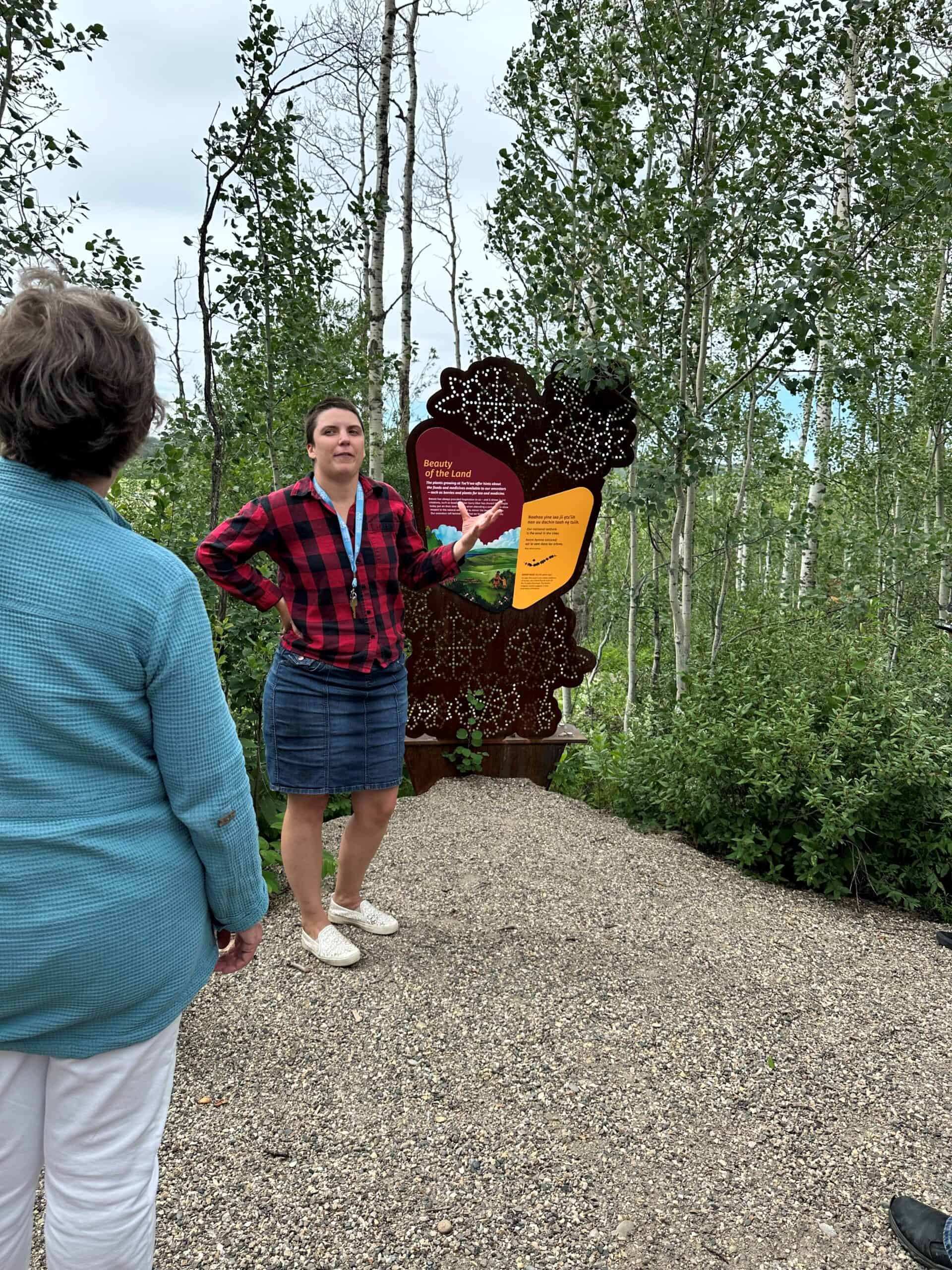
To ensure that all visitors to the site could access and appreciate its offerings, Tse’k’wa Heritage Society applied learnings from an accessibility assessment from Spinal Cord Injury BC to ensure that all new infrastructure at the site was as accessible as possible. This includes two universally accessible outhouses, 230 metres of a low-mobility interpretive trail, three accessible benches, five large interpretive signs, five small interpretive signs, and an amphitheater with seating for 60 people.
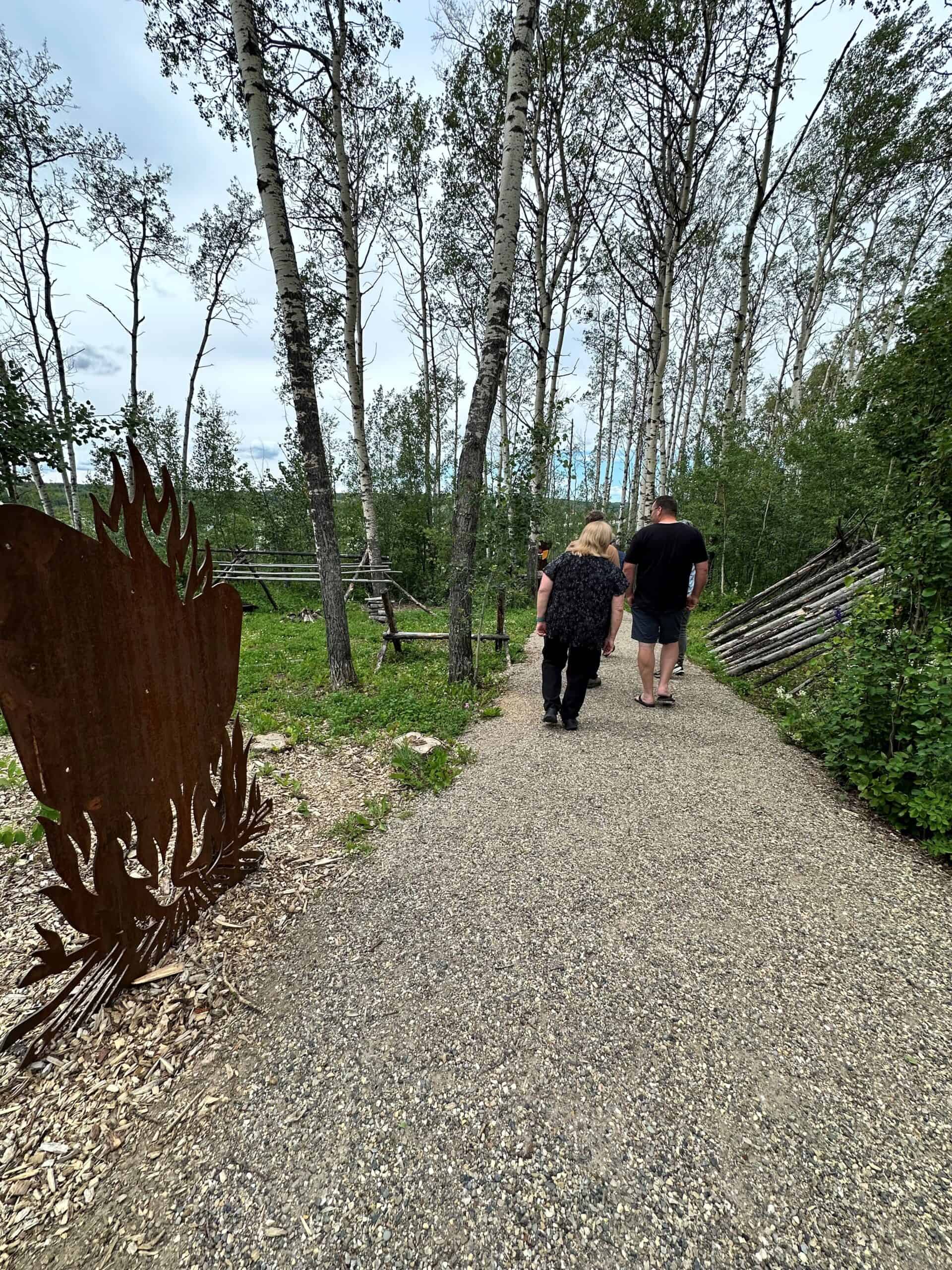
Over the next two years, it is anticipated that the completed project will allow Tse’k’wa Heritage Society to host an additional 62 events, performances, and exhibits at the site, bringing more people together to learn and share.

Funding for this project was approved through the Trust’s Cultural Infrastructure grant program. The funding program is an avenue for Northern Development to support arts, culture, heritage, and creative innovation spaces. It improves the access to, and quality of professional arts and cultural facilities for residents and tourists. From Tse’k’wa’s project application to completion, it is apparent that their work was in alignment with the intent of the funding stream.  
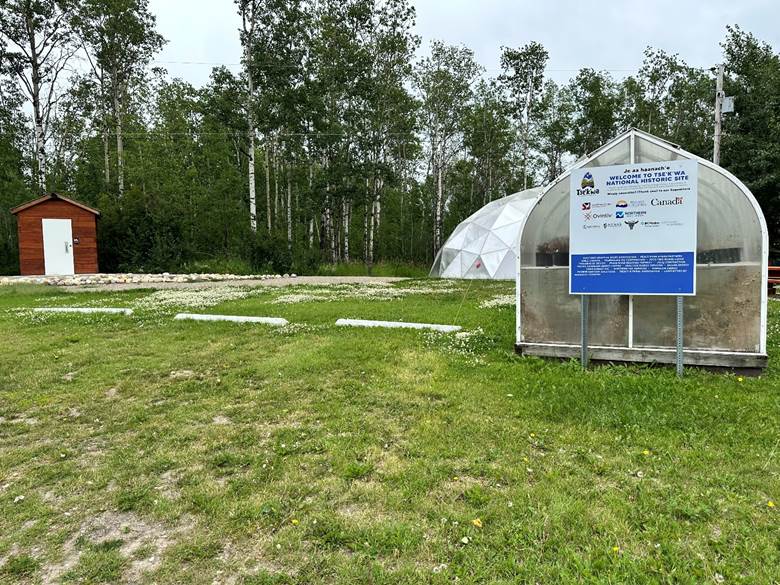
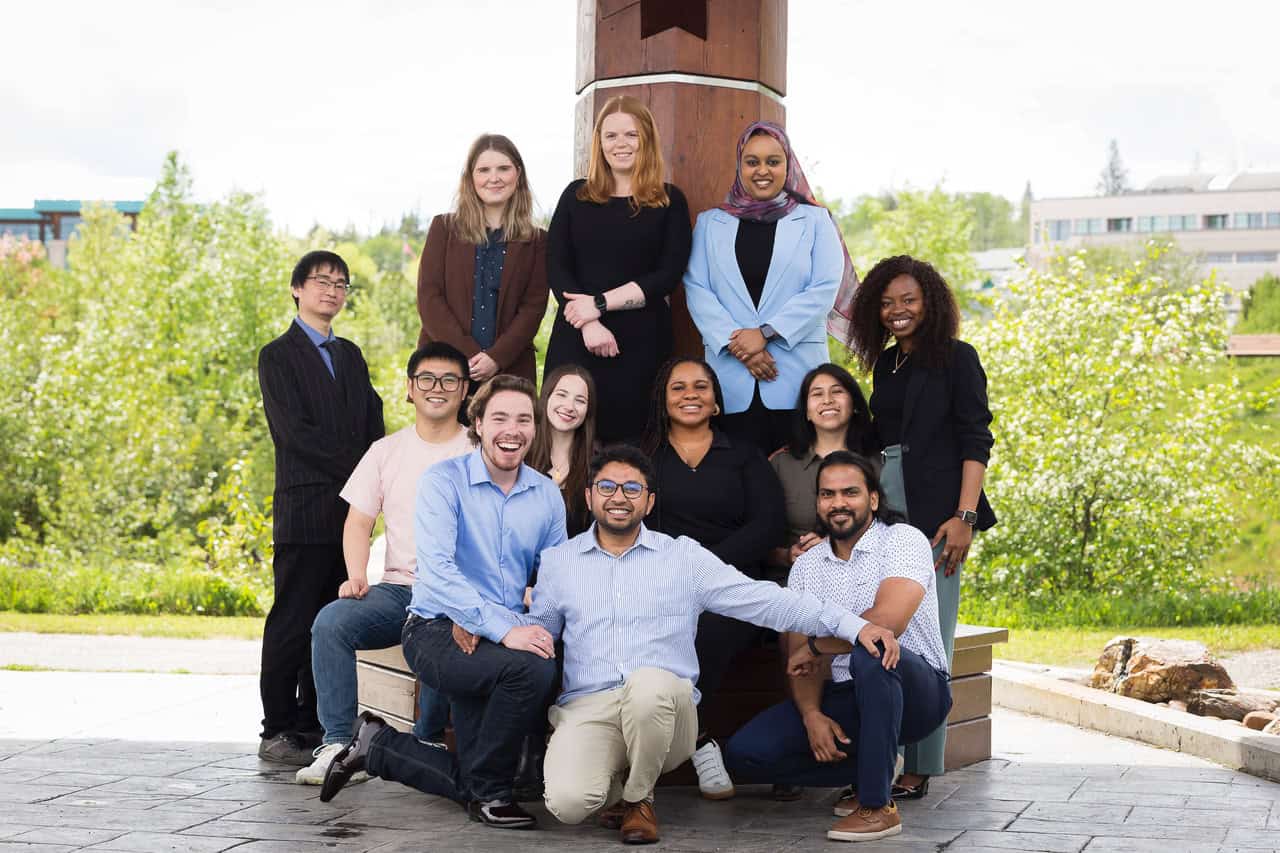
The 2025 Cohort joined together for orientation in Prince George before moving to their host communities.

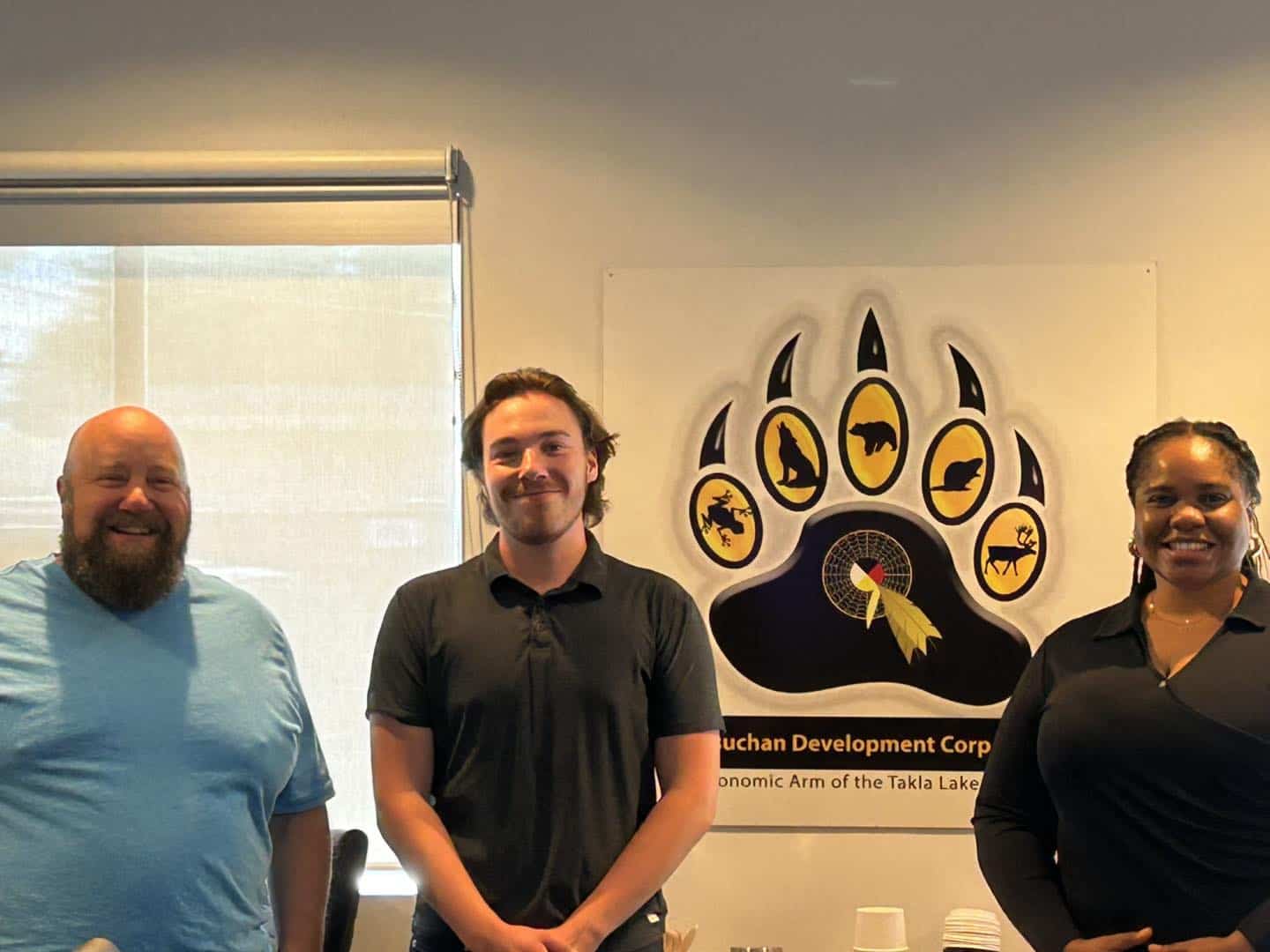
Wendy Okoye, Economic Development Coordinator, and other Northern Development staff have been busy travelling Northern B.C. to visit all of the Trust’s current interns in their host communities. This is a crucial touchpoint between Northern Development and the recent graduates to provide support and encouragement as the new professionals adjust to work and life in new places.

They have already visited Burns Lake, Telkwa, Smithers, Fraser Lake, and Quesnel. August will include visits to the people and communities of Fort St. John, Pouce Coupe, Tumbler Ridge, Clinton, Logan Lake, Lillooet, Terrace and Prince Rupert.

This builds upon the successful 2024 internship year where all three interns were permanently hired by their host community following the completion of their 12-month placement. The offer and acceptance of full-time positions is a strong indication of a strong relationship built over the term and an appreciation of the value and skills that the young professional brings to their host government and community.

The 2024 Internship year ended on April 30, 2025 and the cohort received the following positions:

  • Adrian Smith: Planner – Development Services (Town of Smithers)
  • Jasleen Kaur Parmar: Finance Clerk II (Village of Valemount)
  • Jinhan Xiao: Financial Analyst (Lake Babine Nation)

To date, Northern Development has supported more than 150 internship placements, supporting communities by connecting talented, recent post-secondary graduates with host governments of First Nations, municipalities, and regional districts.

Looking for more internship specific content? Follow the Northern Development Internships page on Facebook.

On July 31, the Northern Development Board approved $978,744 in investments through five proponents into economic development projects. The funding commitment will benefit recreational and cultural amenities in Bella Bella, Mackenzie, and Takla while also supporting food security projects in the Peace River Regional District and Anahim Lake.

“This suite of funding approvals continues to prove Northern Development’s dedication to being a catalyst for transformative rural development that stimulates community resiliency,” said Chair Margo Wagner. “Thank you to all the organizations who are leading these projects to benefit their communities and the north – this is an excellent demonstration of northern spirit and we appreciate your dedication to improving livelihoods in our region. Northern Development is pleased to provide this support of your efforts.”

In the Northeast region, $300,000 was approved for the North Pine Farmers Institute’s grain bin expansion project. By installing a new grain bin at an existing terminal, the facility’s grain output will increase by approximately 48% to an average of 90,000-100,000 metric tonnes. This creates long-term, sustainable business opportunities for the North Pine Farmers Institute while also supporting local producers and the economy.

“Receiving a $300,000 grant to assist with the costs of installing a new grain bin at our facility in Fort St. John is a significant improvement to our organization and the entire Peace Region,” said Matin Moore, Chair of the Elevator Committee, and Wade Cusack, President, North Peace Farmers Institute. “The benefits from this project will be realized by many producers throughout our region and will contribute to providing additional stability and security for the people who diligently work in the fields to produce crops to ship outside the Peace. We’re grateful that we can make this project a reality and while using available proven resources to lighten the burden on our organization. Opening avenues to support the continuance in fulfilling the “objects” of the North Pine Farmers Institute that is dated back to 1930 and is still active in serving the agriculture communities today.”

On the coast, Bella Bella Community School was approved for a $200,000 grant to modernize technology in the gymnasium to transform the space into a multi-functional recreational and cultural facility for the community. The project involves the installation of a new audio system, video wall/scoreboard, streaming technology, and digital signage infrastructure. The new technology will increase inclusivity of all the events hosted in the school’s gymnasium – from basketball games to Elder gatherings.

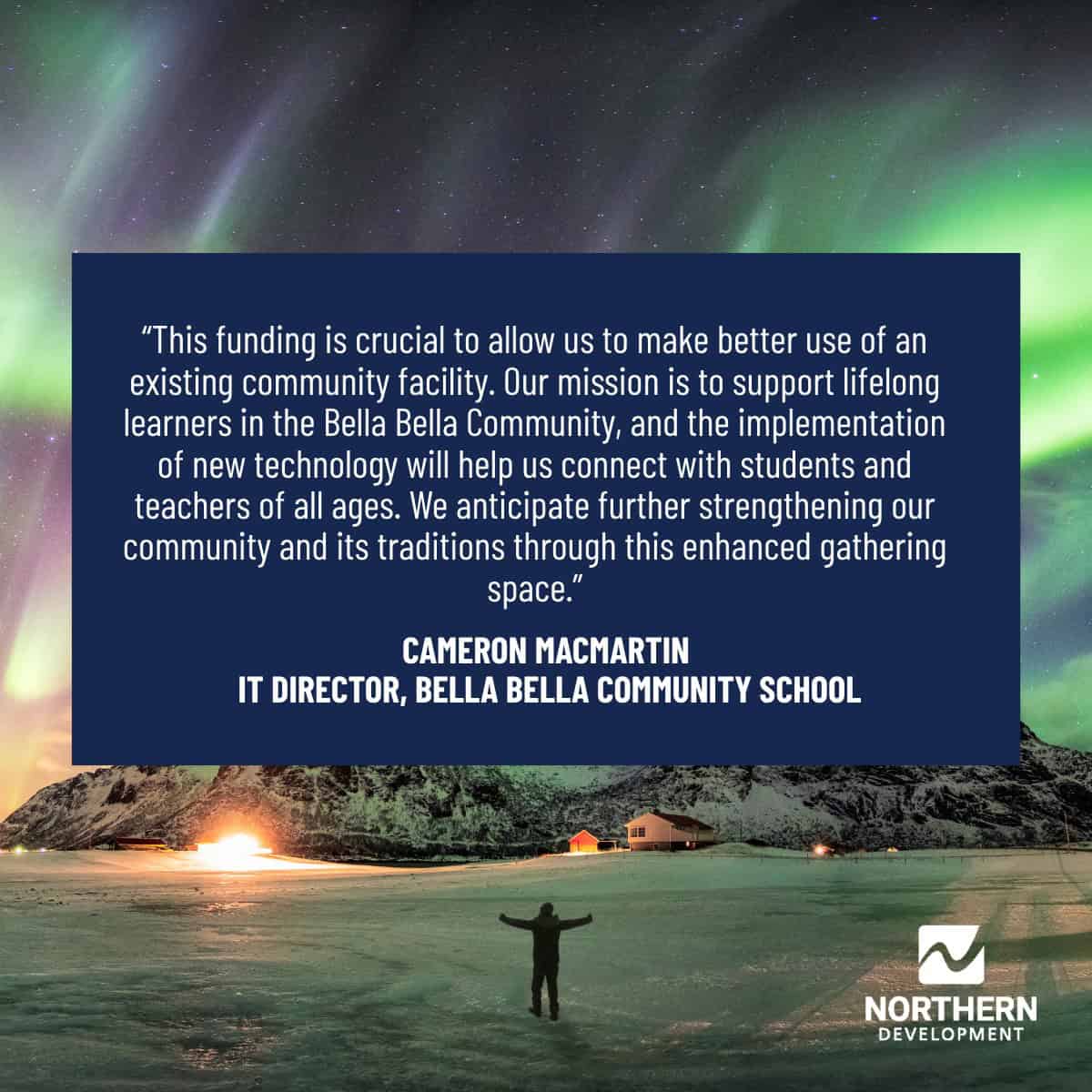
“This funding is crucial to allow us to make better use of an existing community facility,” said Cameron MacMartin, IT Director, Bella Bella Community School. “Our mission is to support lifelong learners in the Bella Bella Community, and the implementation of new technology will help us connect with students and teachers of all ages. We anticipate further strengthening our community and its traditions through this enhanced gathering space.”

Read about the other three approved projects in the July news release here.

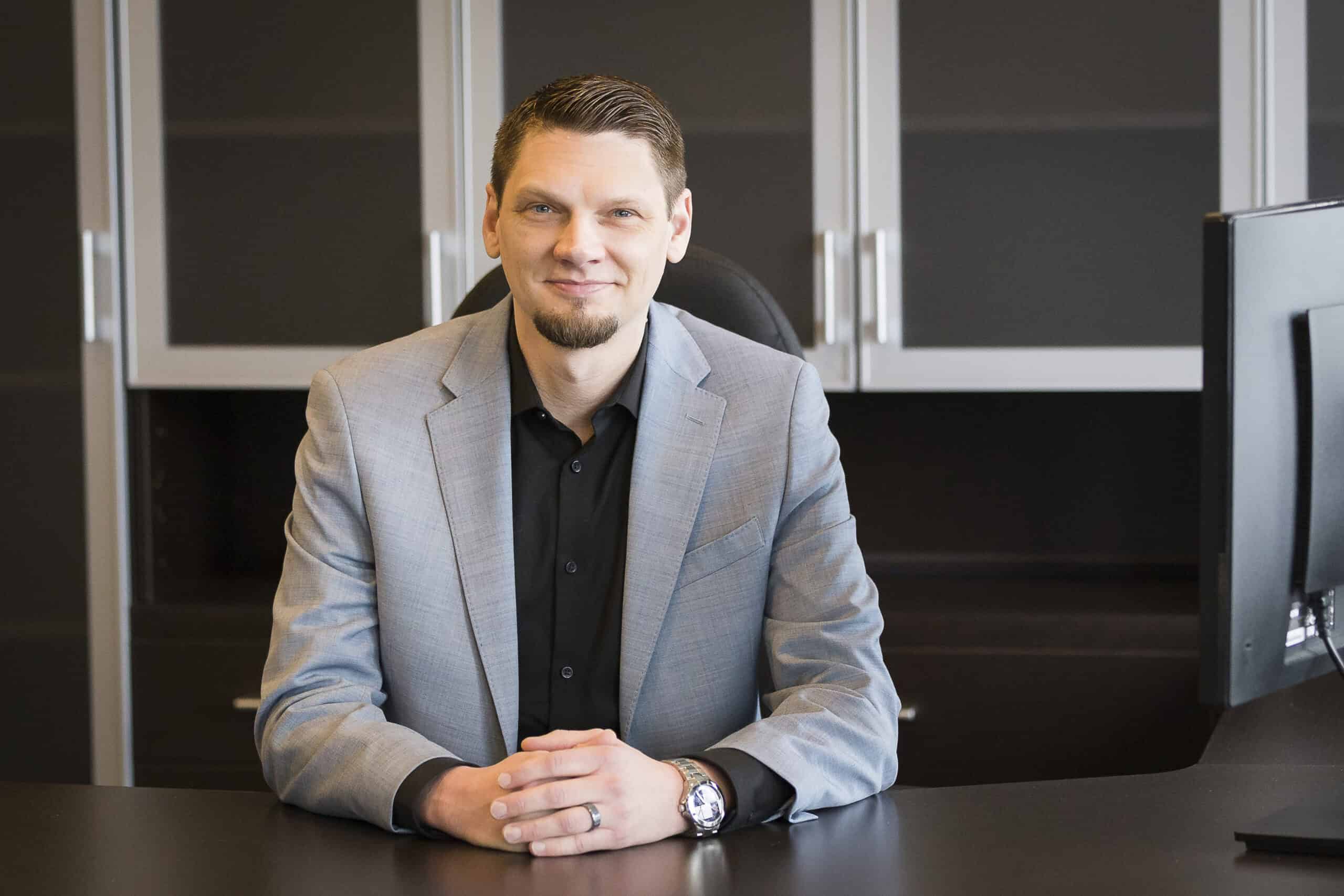
Ben Campbell has been CEO of Northern Development since January 1, 2025.


1. What has surprised you most during your first six months as CEO?

Even after years as CFO, stepping into the CEO role has given me a broader view of how deeply our work impacts people’s lives. I am pleasantly surprised by the opportunity that is available to our organization to continue innovating and supporting rural northern B.C. Through the nature of our work, we are able to catalyze economic development in the north and support resident attraction and retention. There are a lot of other people and organizations that have a vested interest in this, and I’m surprised by how many I’ve had the opportunity to meet with already.

2. What are the biggest challenges you’ve faced so far in your new role?

The scale of rural economic disparities is always top of mind, but balancing limited resources across such diverse communities is one of the most complex challenges. Each community—from Valemount to Nisga’a, Lillooet to Fort Nelson – has different priorities, needs, timelines, and opportunities. Another challenge was internal: adjusting staffing capacity as I assumed the responsibilities of CEO. This specific challenge was a joy to address, and I internally promoted two strong team members, Felicia Magee and Kurtis Caston, to Senior Director, Economic Development and Programming and Director of Finance, respectively. Both of these individuals are very experienced with the workings of the Trust and the people in our service region, and I’m grateful to have them bolstering my leadership team.


3. Beyond the strategic plan, what are you working on?

I’m investing in impact measurement—ensuring our programs clearly demonstrate outcomes and the money we invest in our communities and non-profits in our service region. I would also like to strengthen our relationship with the small and medium sized businesses in northern BC. I believe that investments in these organizations will spur long-term resilient economies in the north. Additionally, I see an opportunity for us to use our leadership, strong local knowledge and streamlined process to expand our role as the efficient administrator for external funding opportunities in our region, ensuring that the North’s perspective is taken into account when dollars invested into our region.

4. How has your background as CFO shaped your approach to being CEO?

Being CFO gave me a deep understanding of our financial structure and sustainability. That lens helps me make grounded, long-term decisions as CEO. It also trained me to ask hard questions—about risk, efficiency, and return on investment—which I now apply more holistically across programs and partnerships. I’ve transitioned from stewarding the books to stewarding our broader mission.

5. What is your vision for innovation in rural economic development?

Innovation doesn’t always mean high tech—it means a new approach.

In a more traditional sense we are also supporting finding new, efficient ways to use our natural resources, proven ways of increasing productivity in manufacturing and sharing statistics and finding from our research projects with in the region including those performed on camp work and its effect on families, in northern British Columbia, and connectivity across our service region. My vision is to blend traditional knowledge with creative solutions to make rural economies more diverse, resilient, inclusive and forward looking.

6. On a personal note, how have you managed the transition from CFO to CEO?

It’s been humbling and energizing. I’ve had to shift from a more analytical, behind-the-scenes role to a visible leadership presence. That means more stakeholder engagement and more space for big-picture thinking. Maintaining a healthy balance between work and family, continuing to support my son at the soccer field and my daughter at the gymnastics club, has help me stay grounded reminds me of the strong quality of life that we get to enjoy here.